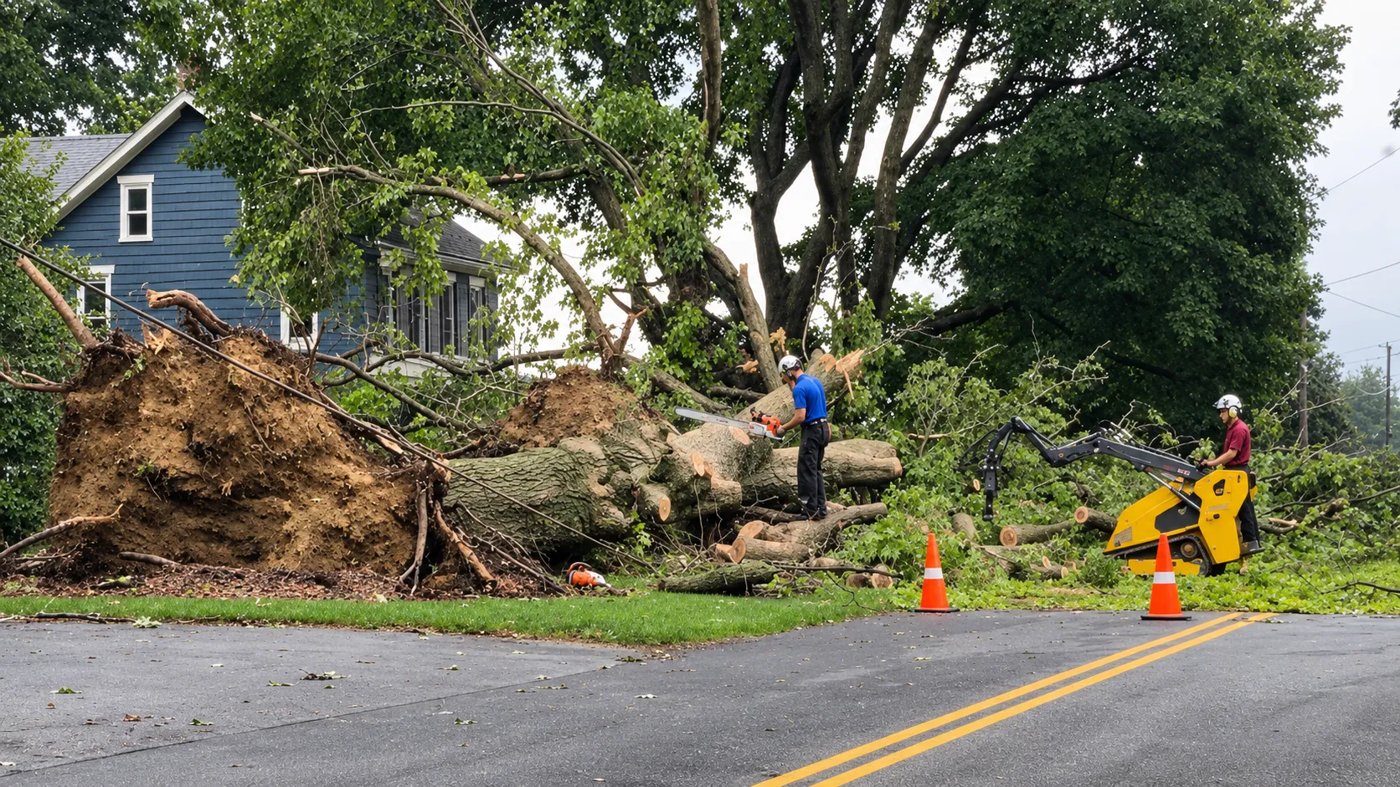
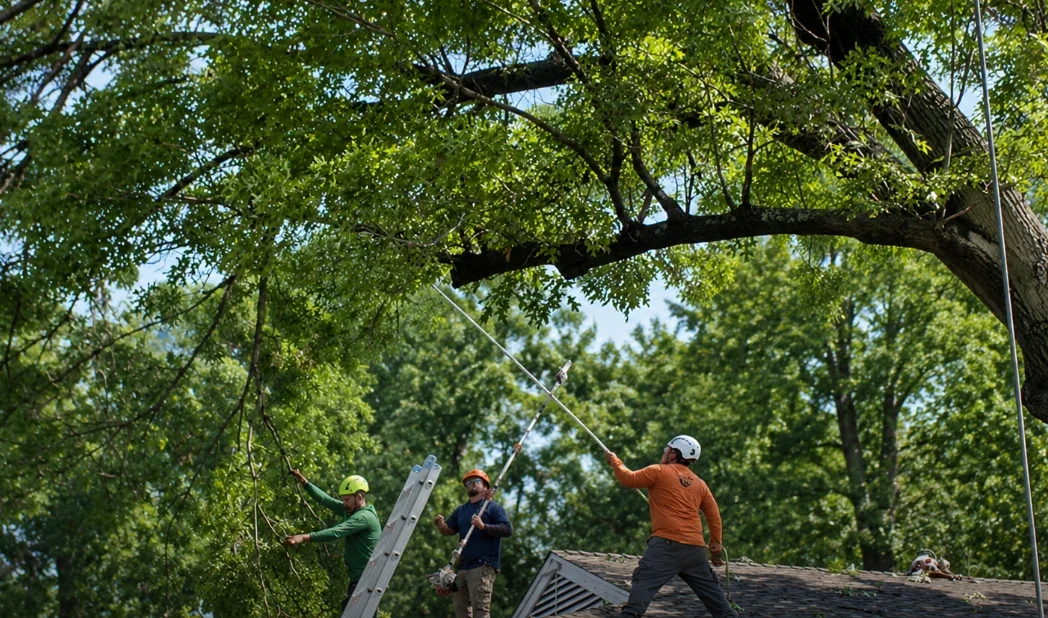
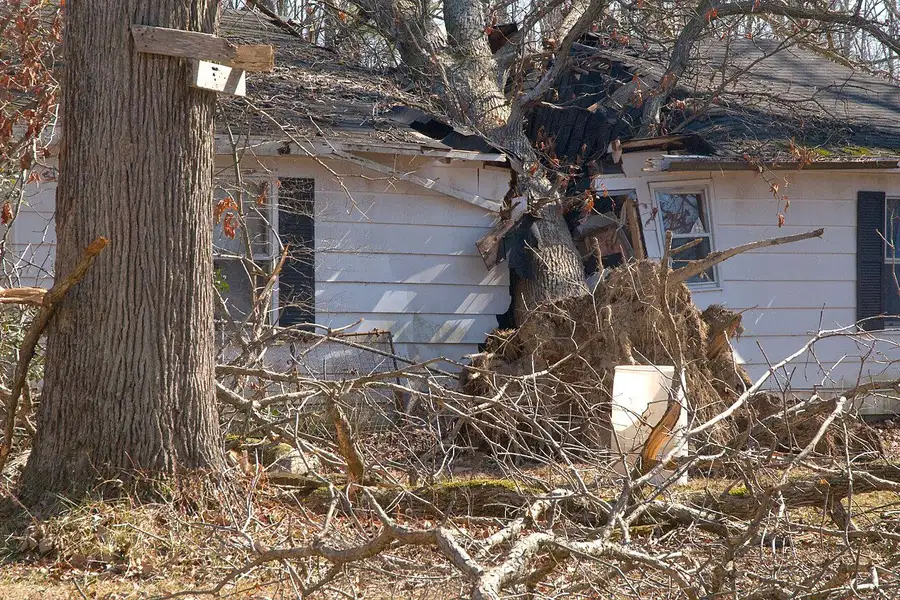
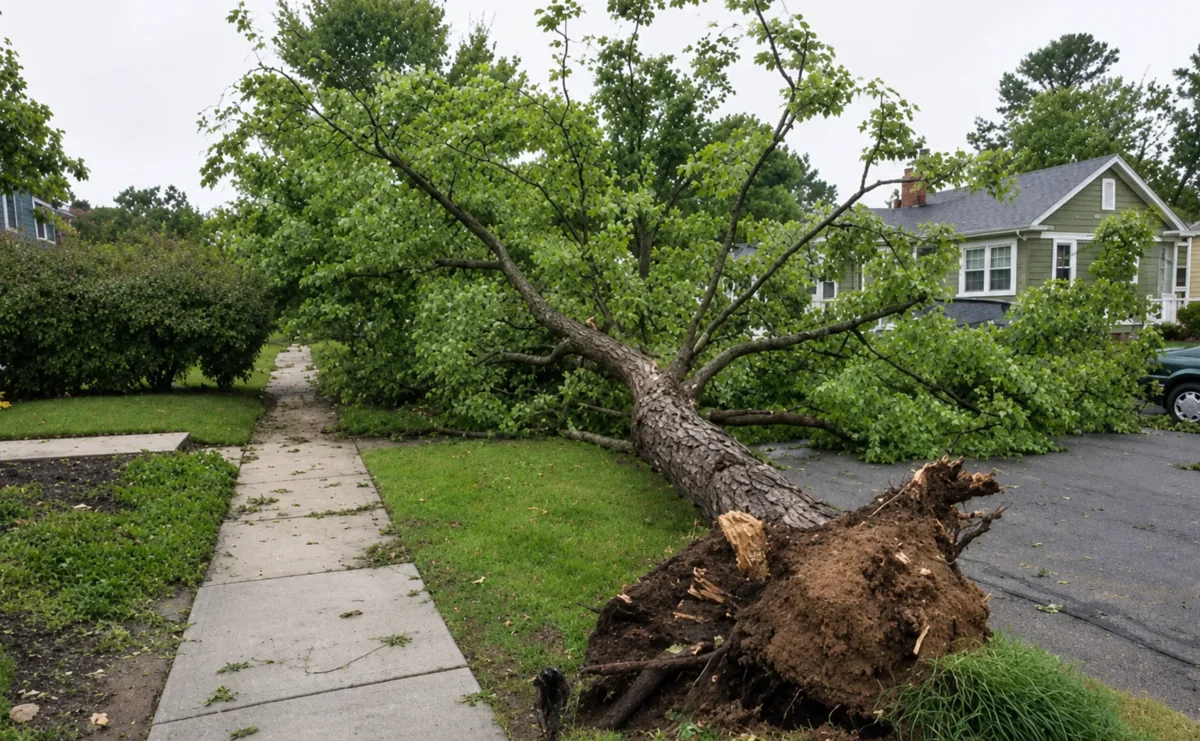
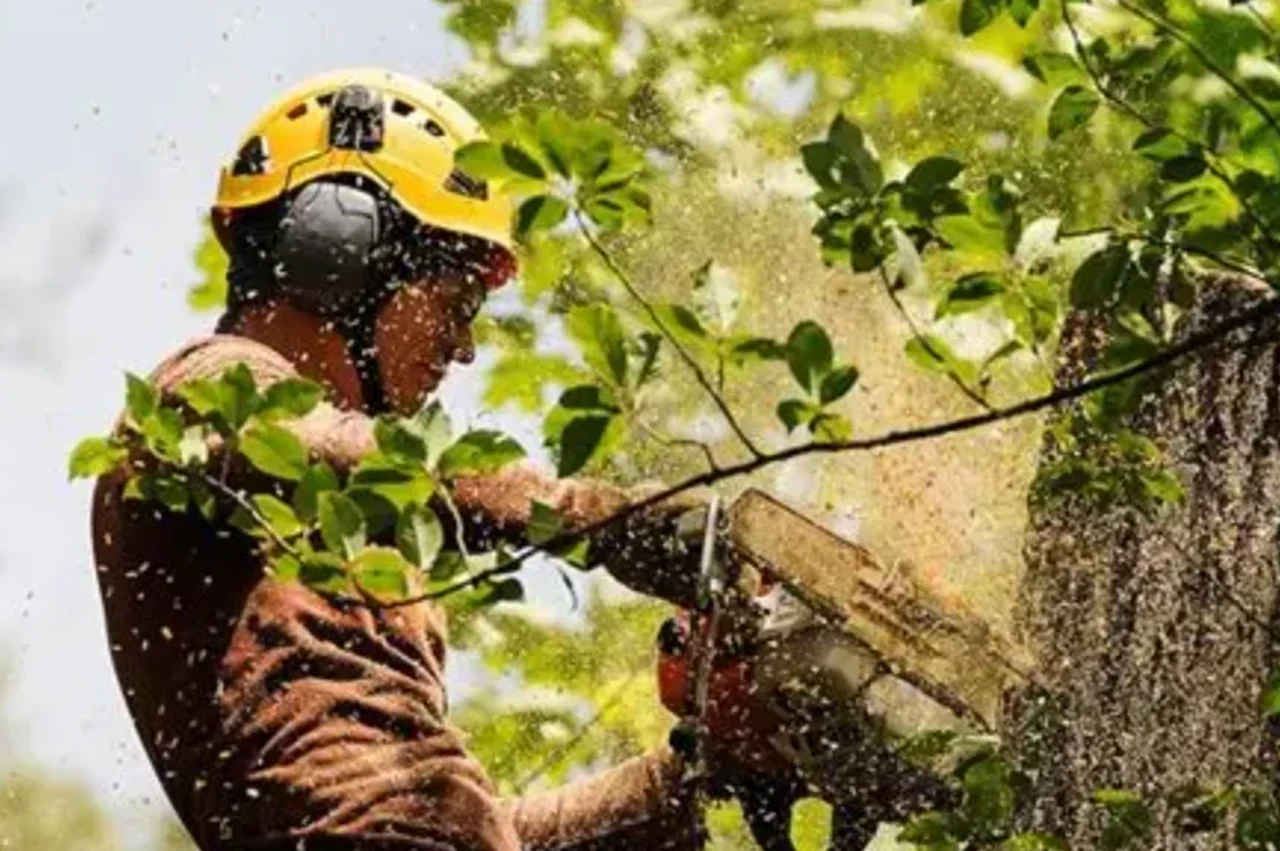
Standard tree removal starts with an on-site assessment. We look at the tree's species, height, lean, and condition, then check for nearby structures, power lines, fences, and irrigation systems. That assessment determines whether we climb and dismantle the tree in sections or bring in a lift or crane.
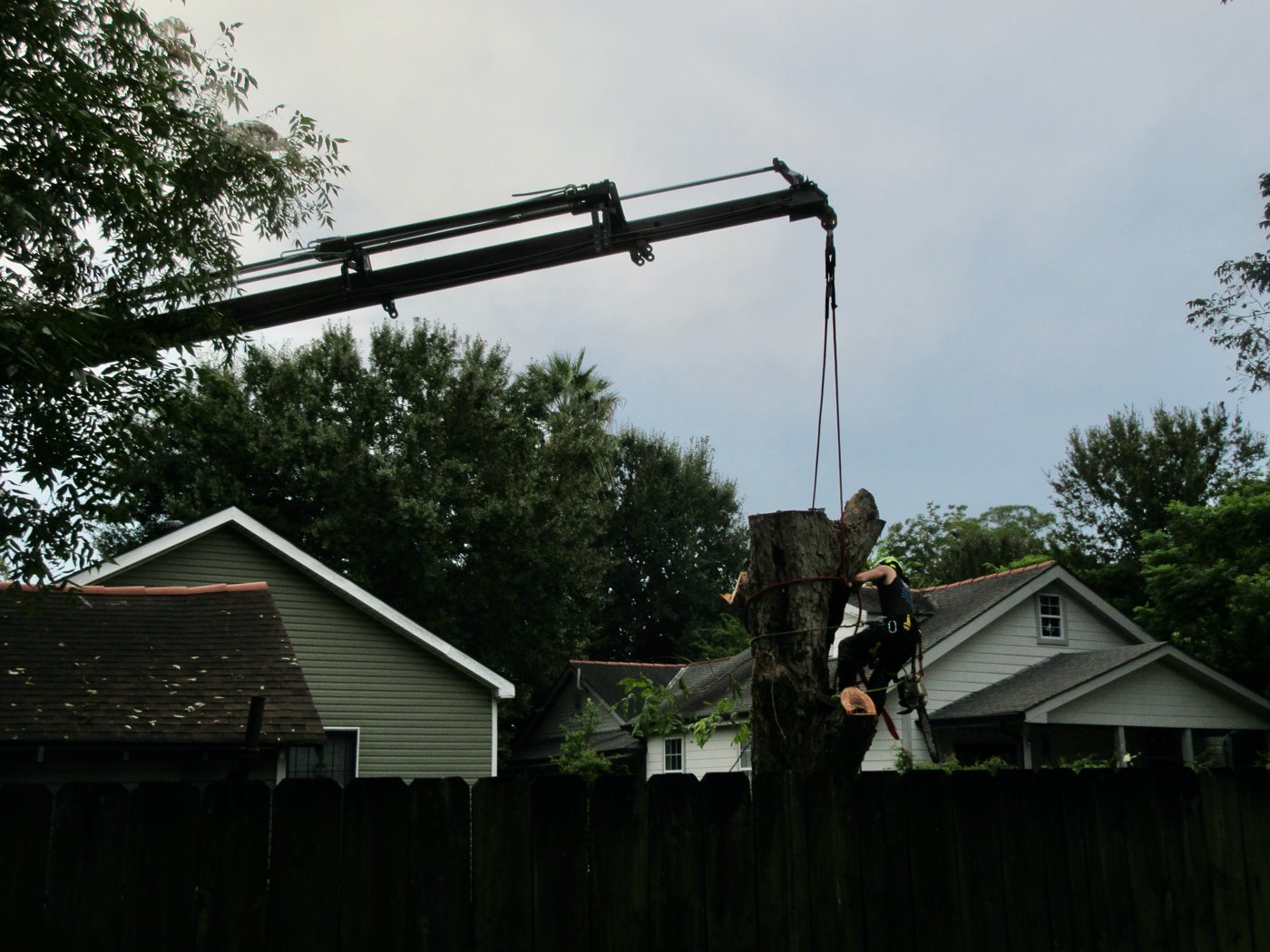
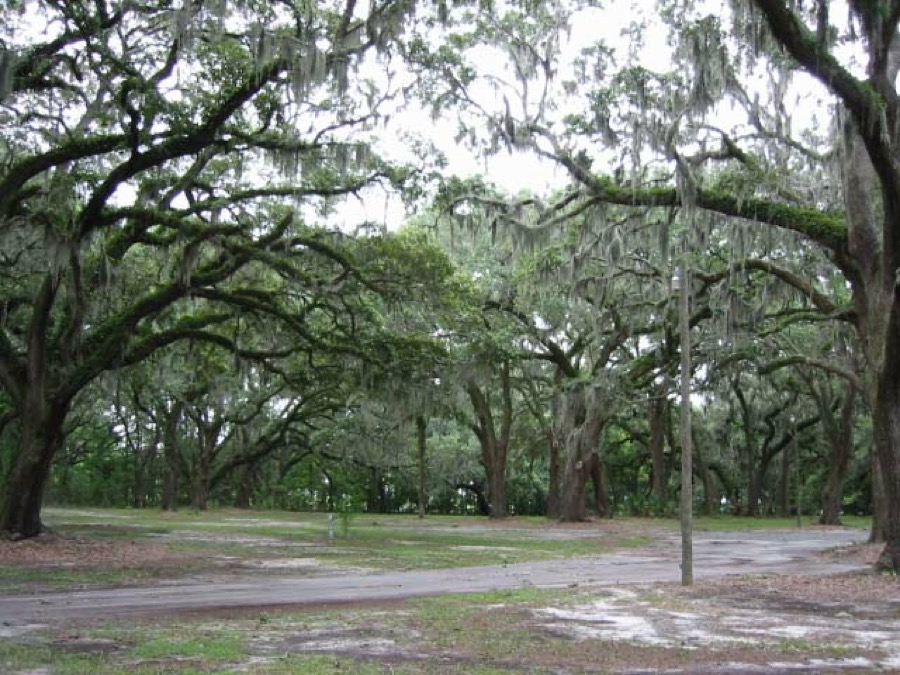
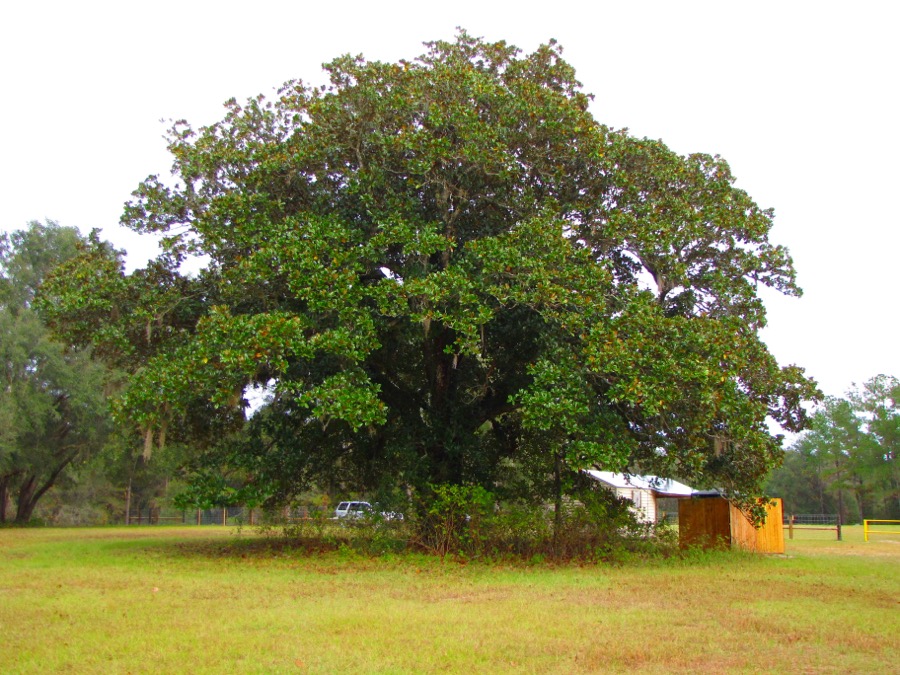
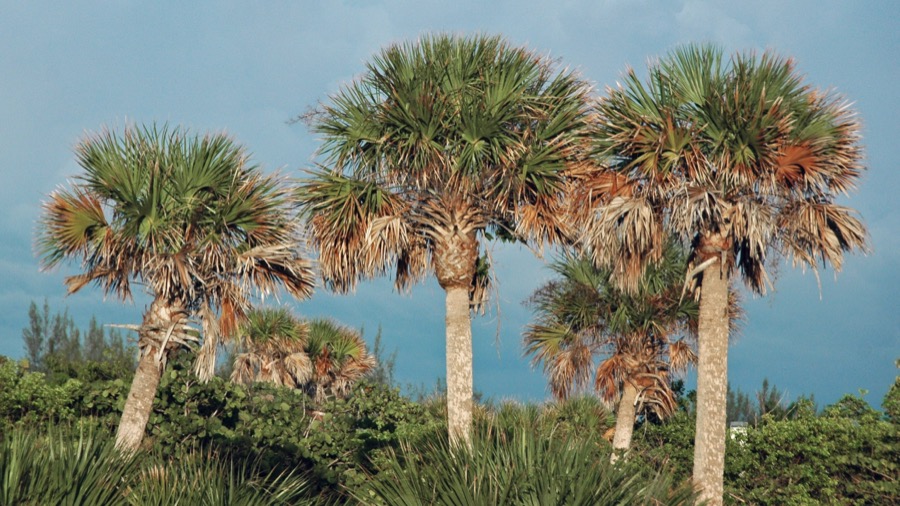
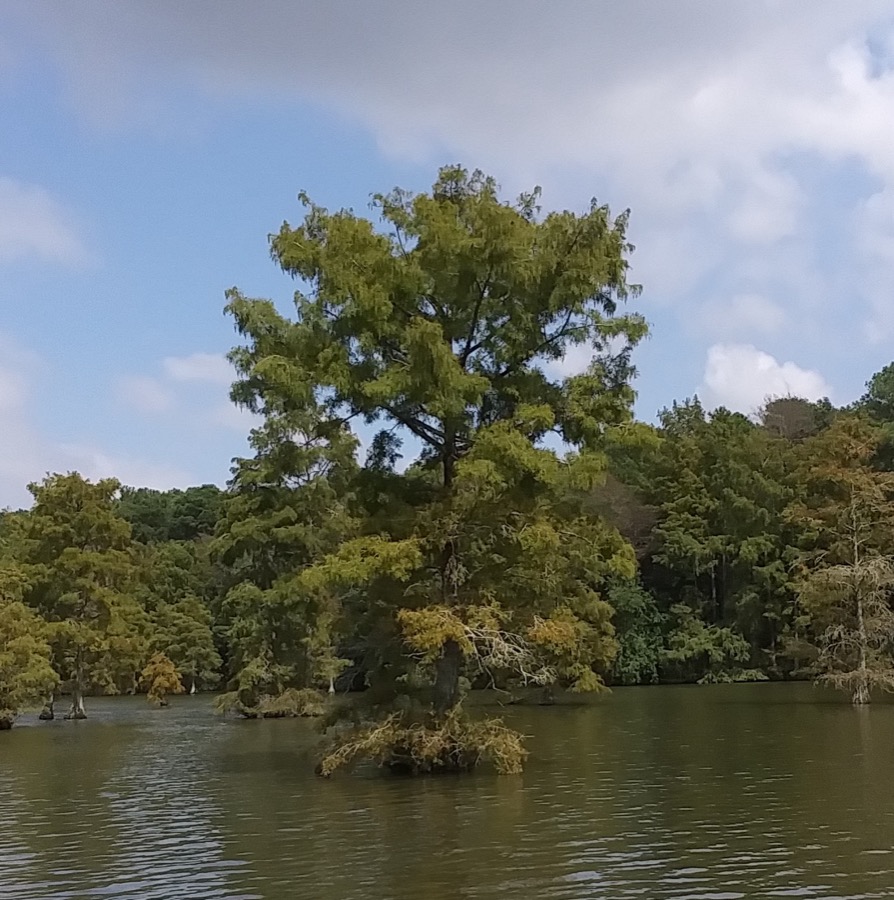
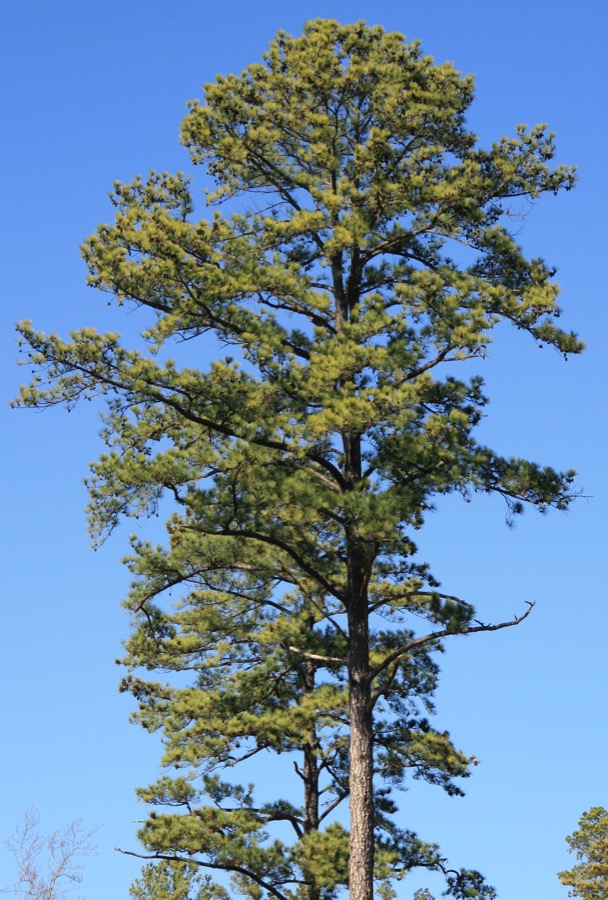
Live oaks are common in Bluffington, and many are decades or centuries old — their wide limbs, dense wood, and heavy canopies make removal more complex than for most trees, and the Town of Bluffington regulates the removal of certain protected and specimen trees, so a permit may be required depending on size and location. Loblolly and slash pines grow tall and fast in the Lowcountry and are vulnerable to pine bark beetles, root rot, and lightning strikes, while palms are removed differently since their trunks are fibrous and lack growth rings. For trees too large, too unstable, or too close to a structure to lower safely by rope, a crane lifts sections out of the work area instead — less risk to roofs and landscaping, and faster removal of leaning or dead trunks.
Most removals follow the same sequence:
- Inspect the tree and the work area
- Set up drop zones and protect landscaping where possible
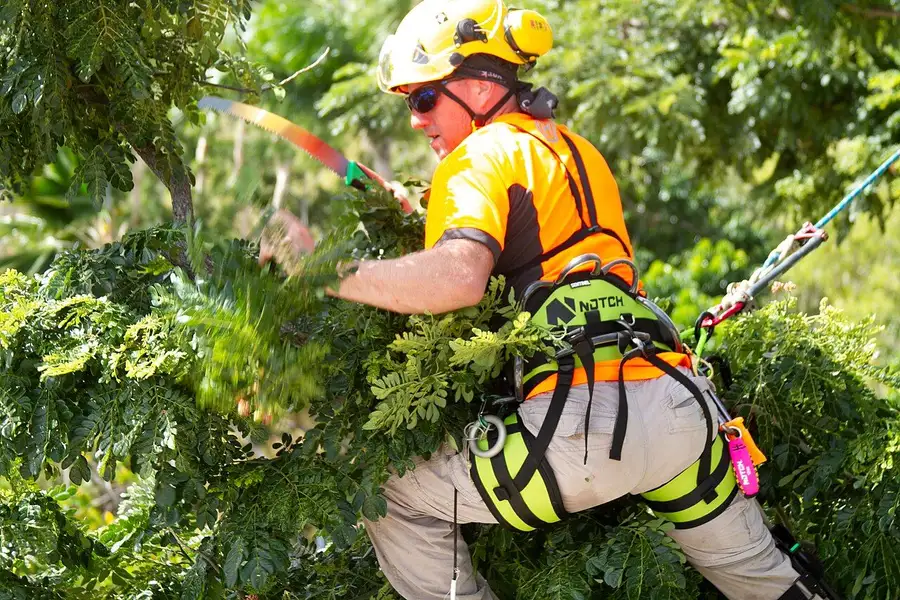
- Cut and lower the tree in manageable sections, by hand or with a crane
- Haul away debris and clean the site
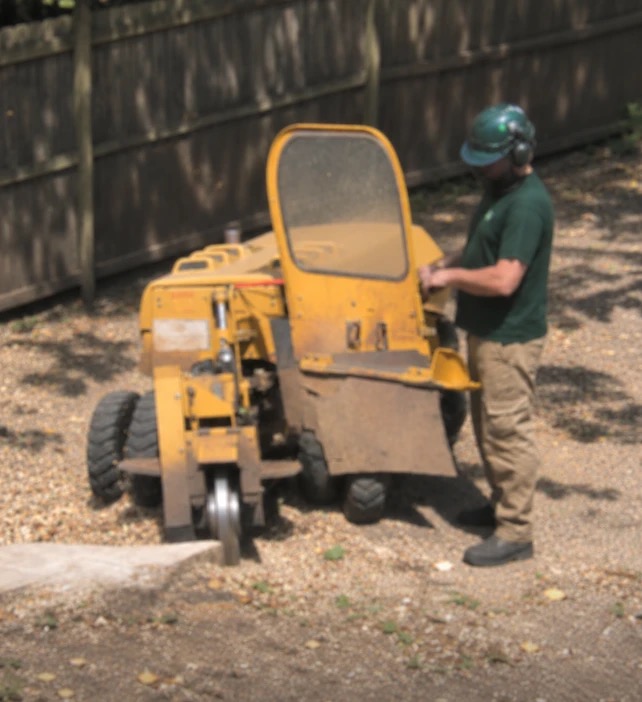
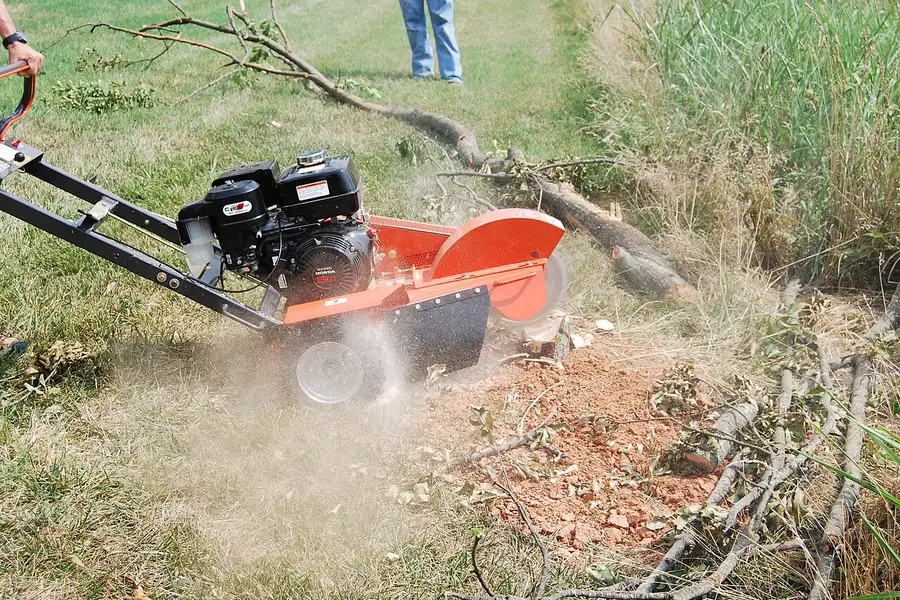
- Offer stump grinding if you want the stump gone
You should confirm that any company you hire carries liability insurance and workers' compensation. Ask for a written estimate that states whether cleanup and hauling are included.